2000 · Arcade & Origins
Project Justice
Capcom · Fighting
Overview
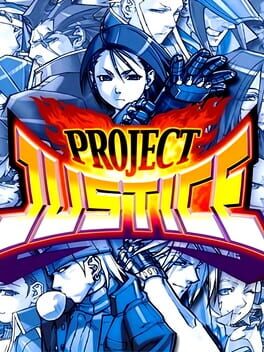
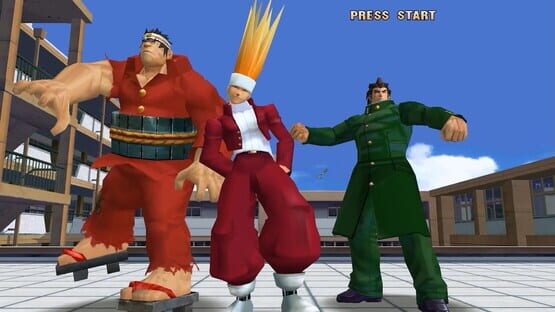
Project Justice is the sequel to Rival Schools: United By Fate. Project Justice's fighting system is lifted from the original Rival Schools, with some notable changes. The game continues to be a team fighter, but has teams of three characters instead of two. This allows another Team-Up attack to be used in a fight, but also adds a new type of attack, the Party-Up, initiated by pressing any three attack buttons. The Party-Up is a three-person attack that varies based on what school the character initiating the attack is from. The additional partner also allows players to cancel an opponent's Team-Up Special by inputting a Team-Up command of their own. This initiates a short fighting sequence between one character from each team. If the person initiating the sequence gets the first successful hit in during the sequence before time runs out, the Team-Up they are caught in will be canceled, and the game switches back to the main fight; if the opposing player gets the first hit or time runs out, the Team-Up continues as usual. Additionally, the 'vigor' meter in Project Justice is limited to 5 levels (down from 9 in Rival Schools), with Party-Ups requiring all 5 levels, Team-Ups continuing to cost two levels, and any attempts (successful or not) to cancel a Team-Up costing one level. Also carrying over from the first game, the Dreamcast port of Project Justice in Japan includes a character creation mode that allows a player to create their own fighters who can be used in all modes except for single-player. However, the character creation in Project Justice is packaged as a board game, taking place during an inter-school festival, rather than a date sim game like in Rival Schools. As with School Life Mode in the original Rival Schools, though, this boardgame is not included in non-Japanese ports of Project Justice due to the amount of time it would take to translate the mode. Instead, several unlockable sub-characters were included in these ports, built from the character creation parts in the Japanese version.
Releases
Screenshots
Developed by
Published by
2000 — A year in gaming
Il catalogo di quell’anno, distinto dalla pagina editoriale su Generazioni.
Part of an era
Arcade & Origins
1972–1983
Related games
Stesso sviluppatore
1943: The Battle of Midway
1987 · Capcom
Commodore C64/128/MAX · Amiga · Amstrad CPC · ZX Spectrum · +2
Shooter · Arcade
Stesso sviluppatore
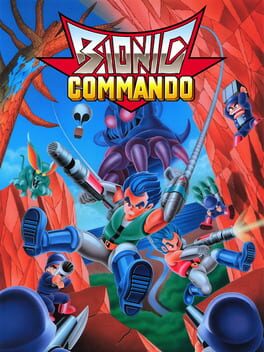
Bionic Commando
1987 · Capcom, Stephen Ruddy
Commodore C64/128/MAX · Amiga · Amstrad CPC · ZX Spectrum · +2
Shooter · Platform · Adventure
Stesso sviluppatore
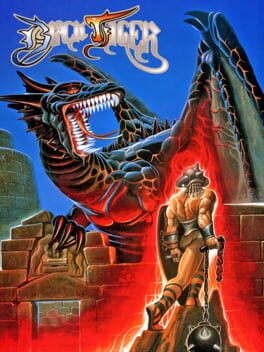
Black Tiger
1987 · Capcom
Wii · Commodore C64/128/MAX · Amiga · Amstrad CPC · +3
Shooter · Platform · Role-playing (RPG) · Arcade
Stesso sviluppatore
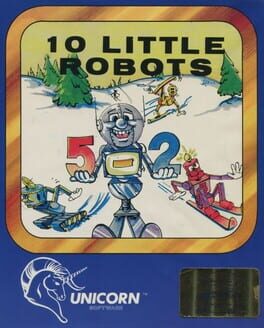
10 Little Robots
1983 · Computer Learning Center for Children
Commodore C64/128/MAX · Amiga · Atari ST/STE · Atari 8-bit · +2
Stessa era
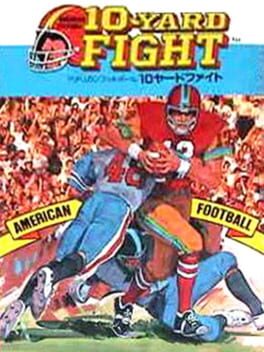
Stessa era
Stessa era
10th Frame
1986 · Access Software
Commodore C64/128/MAX · Amstrad CPC · ZX Spectrum · MSX · +1
Sport
Stessa era
Game data
- Original title
- Project Justice
- Developer
- Capcom
- Publisher
- Capcom
- First release
- 31 dicembre 2000
- Genres
- Fighting
- Era
- Arcade & Origins